November 24, 2026 | Follow-Up Election Report
Newly released election figures confirm a historic expansion of Muslim American political representation, including the nation's first Muslim U.S. senator, new members of Congress, and unprecedented gains in state and local government.
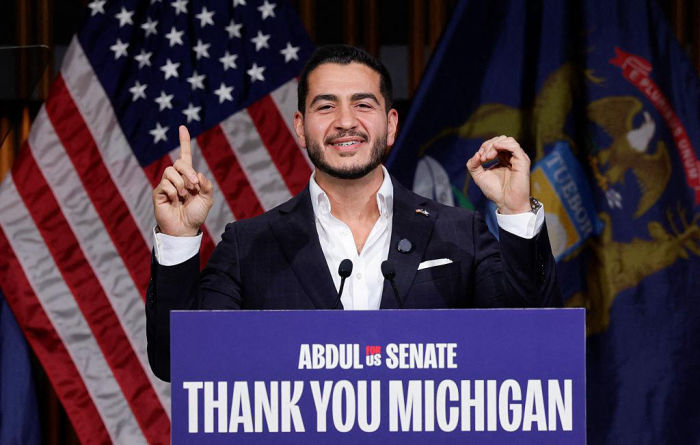
A Historic First: Abdul El-Sayed Elected to the U.S. Senate
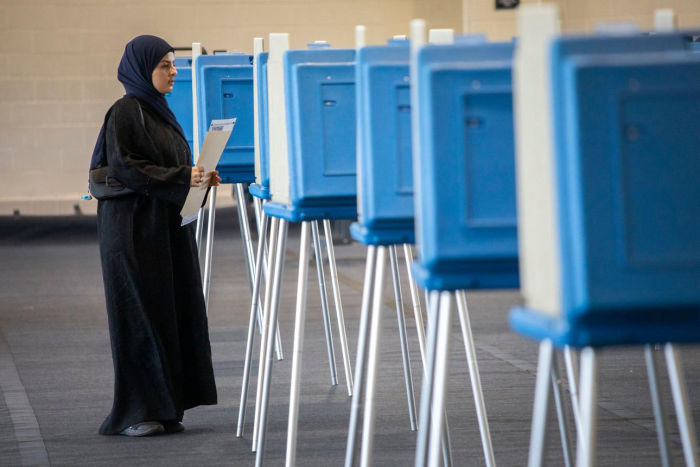
WASHINGTON, D.C. — Nearly three weeks after the November 3 midterm elections, the full extent of Muslim American electoral participation is becoming clearer. What initially appeared to be a series of historic individual victories has developed into a nationwide milestone, with Muslim Americans winning a record number of elections to public office.
According to updated figures released November 17 by the Council on American-Islamic Relations (CAIR) and its advocacy affiliate, CAIR Action, at least 126 Muslim Americans won elections during 2026, including 115 confirmed victories in the November midterms alone.
The November victories occurred across 21 states, with 45 involving statewide or state legislative offices. Another candidate was still leading in a race under consideration when the report was released.
The updated numbers represent a substantial increase over the preliminary election-night reports and surpass the 82 Muslim electoral victories recorded by CAIR in 2022.
The results reflect a broader development in American political life: Muslim Americans are increasingly seeking public office and participating in the governmental institutions that shape national, state, and local policies.
When Muslim News Magazine first reported on the election on November 4, the attention centered on several historic congressional victories and the election of Abdul El-Sayed as the first Muslim member of the United States Senate.
At that time, many state and local contests remained undecided, and the complete nationwide number of successful Muslim candidates was still unknown.
CAIR's initial national assessment, released November 5, identified 97 confirmed Muslim election victories, with another 21 candidates either leading or competing in races too close to call.
The November 17 report raised the count to 115 confirmed November victories and at least 126 for the year.
CAIR and CAIR Action tracked 169 Muslim candidates during the election cycle, reflecting a level of political participation extending well beyond the most widely publicized congressional campaigns.
The contrast with earlier elections illustrates the scale of the change.
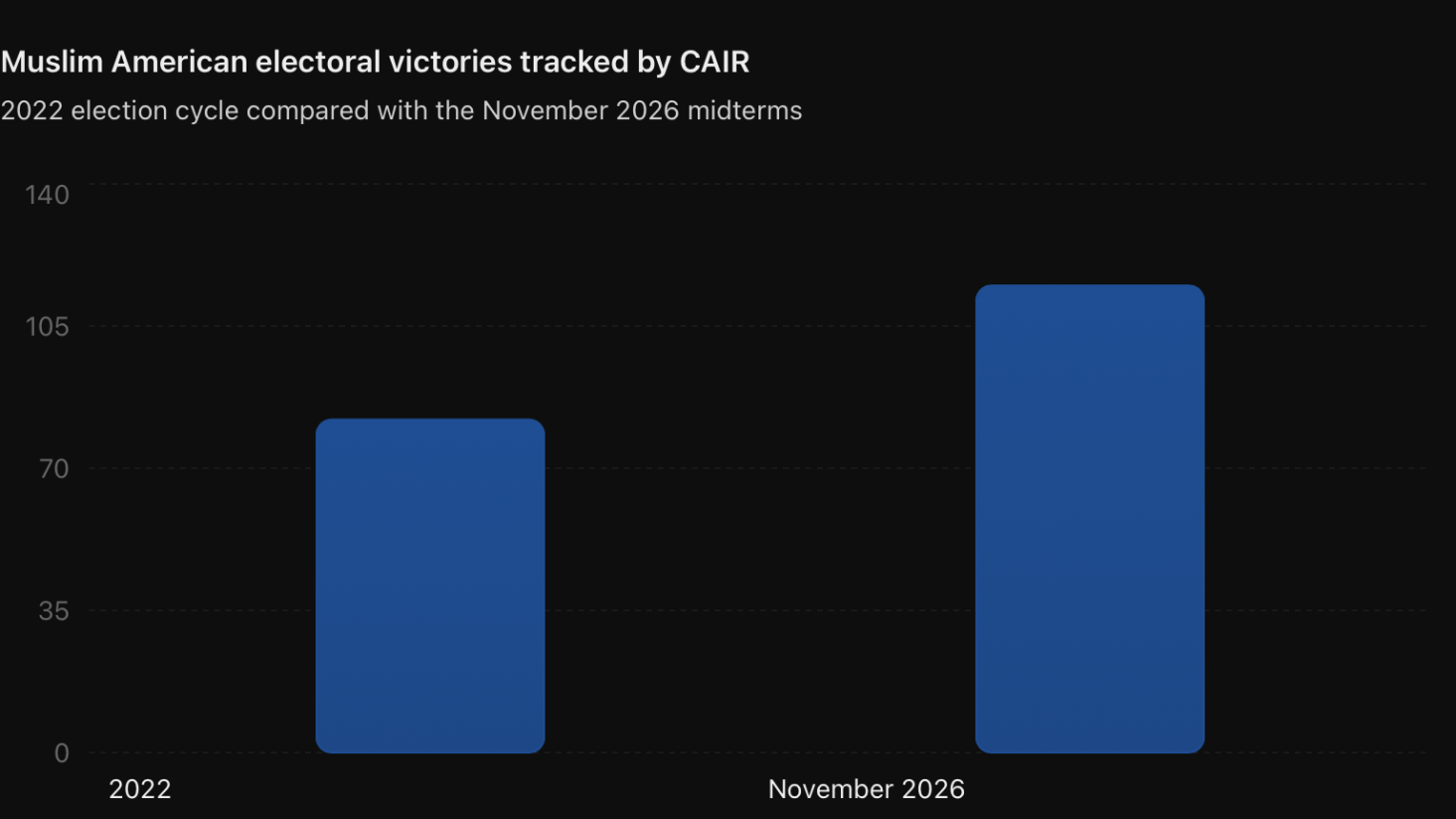
The figures indicate approximately 40 percent more victories in the November 2026 elections than the 2022 total reported by CAIR. Differences in candidate-tracking coverage may also affect comparisons between election years.
Abdul El-Sayed's Senate Victory Remains the Defining Milestone
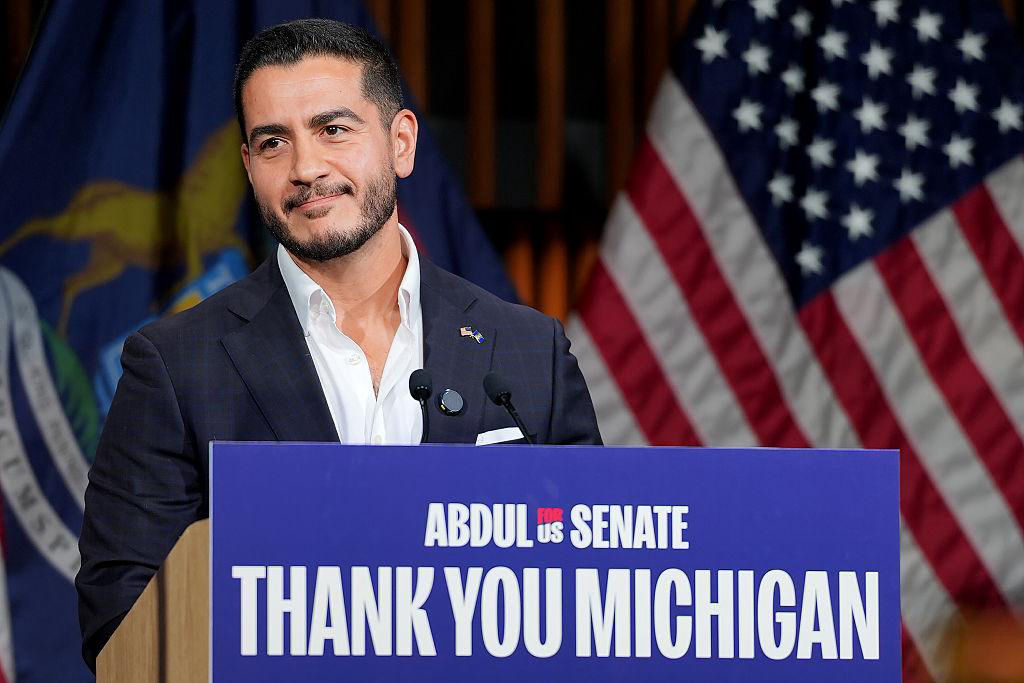
Among the many successful candidates, the election of Abdul El-Sayed in Michigan continues to carry national historical significance.
El-Sayed, a physician and former public health official, defeated Republican Mike Rogers to win Michigan's open United States Senate seat, becoming the first Muslim elected to the chamber in American history.
His achievement came exactly two decades after Keith Ellison became the first Muslim elected to the U.S. House of Representatives in 2006.
El-Sayed's campaign emphasized healthcare, economic affordability, the influence of money in politics, and U.S. foreign policy. It also became a focal point for national arguments about religious identity, immigration, and the place of Muslims in American politics.
Despite criticism and allegations concerning his religious and political associations, including claims that were not supported by evidence, El-Sayed secured the election victory.
His success establishes a new precedent for religious representation in the nation's legislative branch, where Muslim Americans had previously served only in the House of Representatives.
More Muslim Americans Will Serve in Congress
The updated results also confirm the election of several new Muslim members of the U.S. House of Representatives alongside returning incumbents.
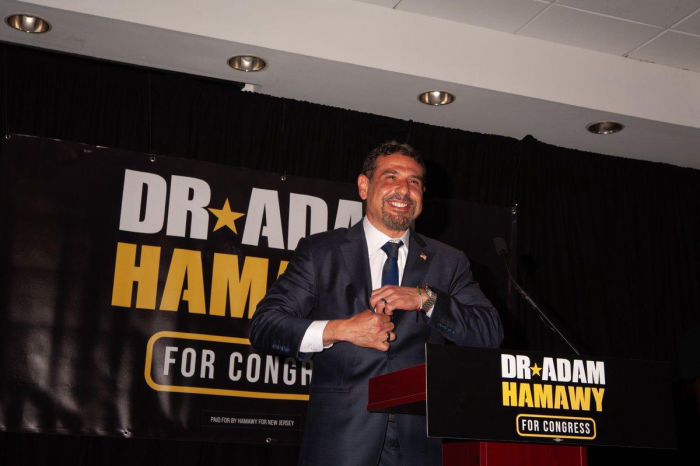
Dr. Adam Hamawy became the first Muslim elected to Congress from New Jersey, winning the state's 12th Congressional District.
In New York, Darializa Avila Chevalier won the 13th Congressional District, becoming another historic addition to the state's congressional delegation.
California's Aisha Wahab secured a full congressional term after first entering the House through an August 2026 special election. The result represents an important update to the early November reports, when the outcome of her full-term contest was still pending.
They will join reelected Muslim members of Congress, including Ilhan Omar of Minnesota, Rashida Tlaib of Michigan, André Carson of Indiana, and Lateefah Simon of California.
Together with Senator-elect El-Sayed, these officials represent eight Muslim Americans elected to federal legislative office in the November election, according to CAIR's November 17 tally.
Muslim Representation Expands in State Legislatures
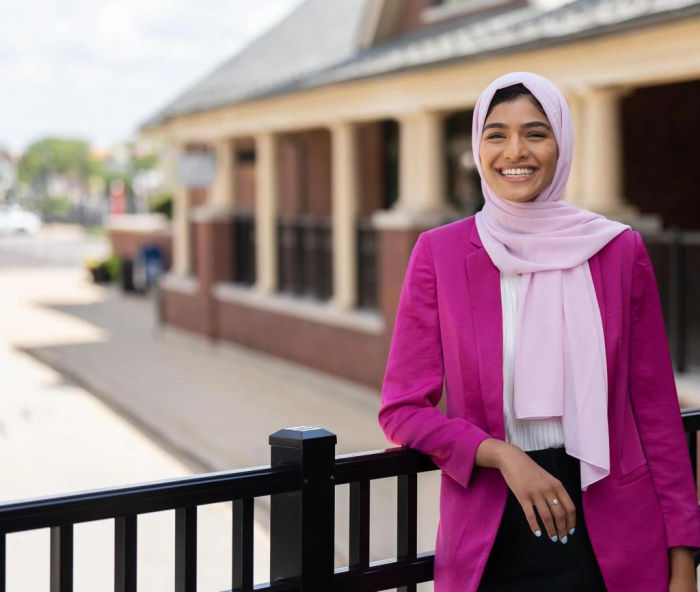
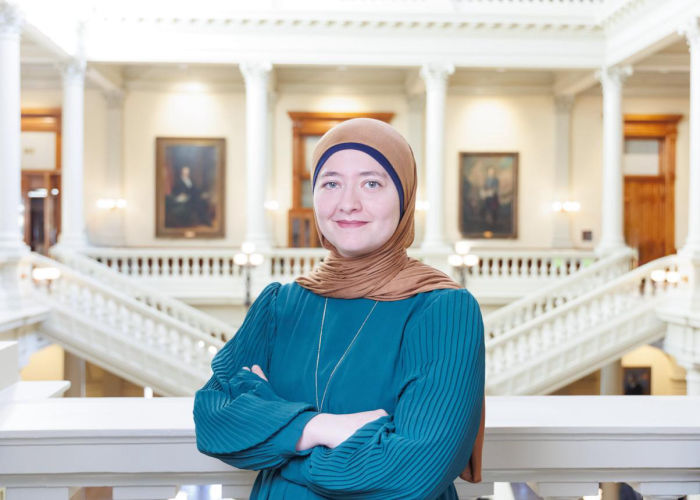
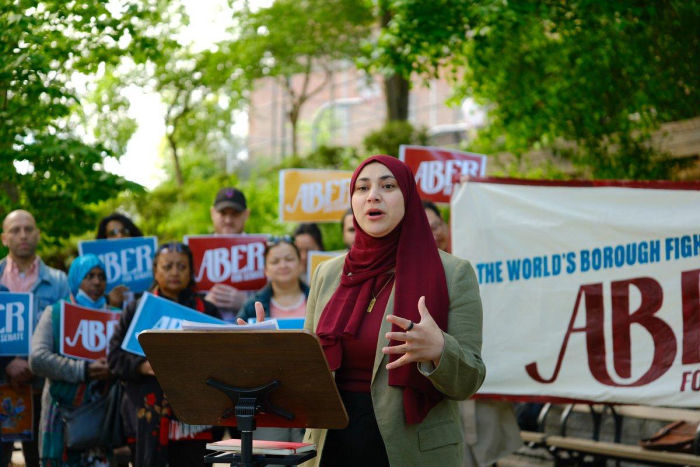
While the historic Senate victory and new congressional representatives received considerable attention, the scale of Muslim participation at the state level is equally noteworthy.
Among the newly elected and returning state legislators identified by CAIR are several candidates who reflect the diversity of Muslim American communities.
In Illinois, Nabeela Syed won election to the State Senate, building upon her earlier career in the Illinois House of Representatives.
In Georgia, Palestinian-American lawmaker Ruwa Romman secured a State Senate seat, while Sheikh Rahman and several Muslim candidates were also elected to state legislative office.
New York's Aber Kawas became the first Palestinian-American Muslim woman elected to the New York State Legislature.
In Colorado, Iman Jodeh won election to the State Senate, while Maryam Khan, Saud Anwar, and MD Rahman secured Senate seats in Connecticut.
Muslim legislative victories were also recorded in Maryland, Michigan, Minnesota, North Carolina, Ohio, Oregon, Pennsylvania, Texas, Washington, and other states.
These developments demonstrate the increasingly established presence of Muslim Americans in state policymaking.
New Muslim Officials in City Government, Courts, and Education
Perhaps the most overlooked development of the 2026 election is the number of Muslim Americans who won positions outside Congress and state legislatures.
According to CAIR's November 17 report, Muslim candidates secured numerous positions in municipal government, the judiciary, and educational administration.
Among the reported winners were Yousef Rabhi, elected mayor of Ann Arbor, Michigan; Mohamed Khairullah, reelected mayor of Prospect Park, New Jersey; Sana Siddiqui, elected to the Raleigh City Council in North Carolina; and Zohaib Qadri, elected to the Austin City Council in Texas.
California also recorded several important local victories, including Joe Salas for San Bernardino City Council, Kashef Qaadri for Dublin City Council, and Sarah Syed for the AC Transit District Board.
Judicial victories included Mariam Saad Bazzi in Michigan, Rashad A. Hauter and Sam Hamadani in North Carolina, and Rabeea Sultan Collier in Texas.
Dozens of Muslim Americans were also elected to school boards, community college boards, and other educational positions.
Although these offices do not always receive national attention, their responsibilities directly affect public education, transportation, local budgets, judicial administration, and neighborhood services.
Their growing presence illustrates how Muslim American political participation extends into the everyday operations of American government.
What Motivated Muslim American Voters in 2026?
Beyond the election results, a national survey provides insight into the issues influencing Muslim American voters.
A post-election survey commissioned by CAIR and CAIR Action and conducted by Community Pulse found that respondents were particularly concerned about U.S. foreign policy, the economy, and rising anti-Muslim discrimination.
The survey included 522 self-identified Muslim registered voters interviewed November 2–4, 2026.
Issues respondents said had a major influence on their vote
Gaza and Palestinian human rights (80%)
Economy (80%)
U.S.-Israel war on Iran (76%)
Motivated by rising Islamophobia (70%)
Source: CAIR/CAIR Action 2026 Exit Survey. The final category measures motivation to vote, rather than issue influence. Multiple answers were permitted. Survey margin of error: ±6.6 percentage points.
Among respondents who voted, 80 percent reported primarily supporting Democratic candidates, while 6 percent reported primarily voting Republican. However, one-third of respondents said neither major party was more responsive to Muslim American concerns.
These findings suggest that Muslim voter participation involves more than political party identification. Civil rights, economic security, religious freedom, and international affairs are all important concerns among the surveyed electorate.
The results should not be interpreted as a complete census of Muslim voters, but they offer evidence of the political issues influencing respondents during the election.
Two Decades After Keith Ellison: A Historic Transformation
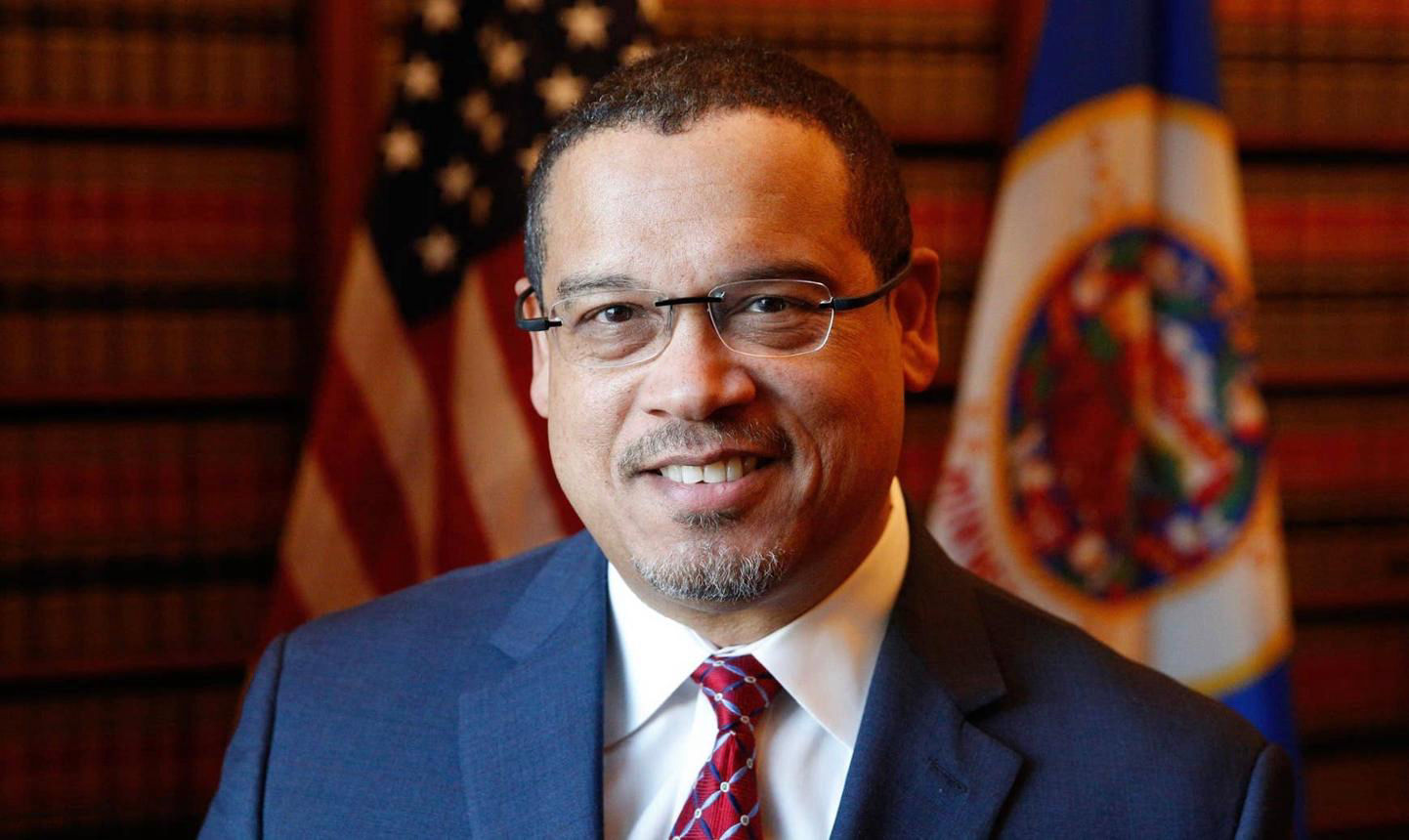
The magnitude of these election results becomes clearer when viewed against the history of Muslim representation in American politics.
In 2006, Keith Ellison became the first Muslim elected to Congress. At the time, his election represented a major departure from the longstanding absence of openly Muslim representation at the federal level.
Twenty years later, Muslim Americans have elected their first U.S. senator, expanded their representation in Congress, and established a presence in state and local government across much of the country.
Ellison himself was among the successful candidates in the November 2026 election, winning another term as Minnesota Attorney General.
His reelection adds continuity to a political history that stretches from his initial congressional victory through the rise of newer generations of Muslim public officials.
The election results also reflect the continued influence of African-American Muslim civic traditions, immigrant community organizing, and the work of Muslim religious and educational institutions throughout the United States.
These overlapping experiences have contributed to the development of a politically engaged Muslim population that is increasingly diverse in its priorities, professional backgrounds, and approaches to public service.
From Representation to Responsibility
The elections also introduce new questions about the responsibilities and influence of Muslim American elected officials.
Winning office represents an important achievement, but governing brings additional demands, including developing legislation, negotiating public policy, addressing constituent needs, and building relationships across religious, racial, and political communities.
Muslim officials will serve constituents from a broad range of backgrounds, including voters who did not support their candidacies or share their religious beliefs.
Their political influence will depend not only on their numbers but also on their ability to participate effectively in the institutions to which they have been elected.
The coming congressional and state legislative sessions will provide opportunities to examine their positions and records on such issues as healthcare, affordable housing, education, religious freedom, immigration, and foreign policy.
The 2026 election has increased Muslim representation. The next phase will reveal how that representation develops into legislative activity and public policy.
Conclusion: Muslim Americans and the Changing Political Landscape
The updated election results represent a notable chapter in the history of Muslim Americans.
From the election of the first Muslim member of Congress in 2006 to the election of the first Muslim U.S. senator in 2026, the past two decades have brought substantial changes in Muslim American participation in public office.
The record number of victories reported by CAIR also demonstrates that Muslim representation is expanding beyond a handful of prominent national figures.
Muslim Americans are now serving as members of Congress, state legislators, attorneys general, mayors, judges, city council members, and education officials.
Their growing participation reflects the varied experiences of African-American Muslims, immigrant communities, converts to Islam, and families whose connections to America extend across generations.
For Muslim News Magazine, these developments are part of a much larger story about the evolution of Muslim communities in the United States — from establishing houses of worship, schools, and civic organizations to participating in the institutions responsible for governing American society.
The 2026 election will be remembered not only for the first Muslim elected to the United States Senate, but also for the broad expansion of Muslim representation throughout the American political system.
The next chapter will be determined by how these newly elected and returning public officials carry out their responsibilities, represent their constituents, and contribute to the nation's democratic institutions.
Editorial note: This follow-up reflects information verified through November 24, 2026. The 126 figure is CAIR's documented total for the year, rather than a government-certified nationwide census of Muslim officeholders. Some local election certification processes may still be ongoing.

© Copyright 2026 Baitcal Media Group, Inc All Rights Reserved
MNM