November 4, 2026 | Special Election Report
The November 3, 2026, midterm elections marked a historic turning point for Muslim Americans. Across the nation, Muslim candidates won elections to the United States Congress, state legislatures, and other public offices, demonstrating the increasingly visible role of American Muslims in the nation's political institutions.
The most significant milestone came in Michigan, where Dr. Abdul El-Sayed became the first Muslim elected to the United States Senate, breaking a barrier that had stood throughout American history.
Meanwhile, Muslim Americans in New Jersey, New York, California, Illinois, Georgia, Texas, and other states secured victories or emerged as leading candidates in races still being counted.
According to preliminary reporting from Muslim Network TV, at least 37 Muslim candidates had either won their races or were leading as of November 4. The Council on American-Islamic Relations (CAIR) reported tracking more than 160 Muslim candidates seeking local, state, and federal office during the 2026 election cycle. These numbers underscore the breadth of Muslim political participation, although some election results remain uncertified.
A Historic First: Abdul El-Sayed Elected to the U.S. Senate
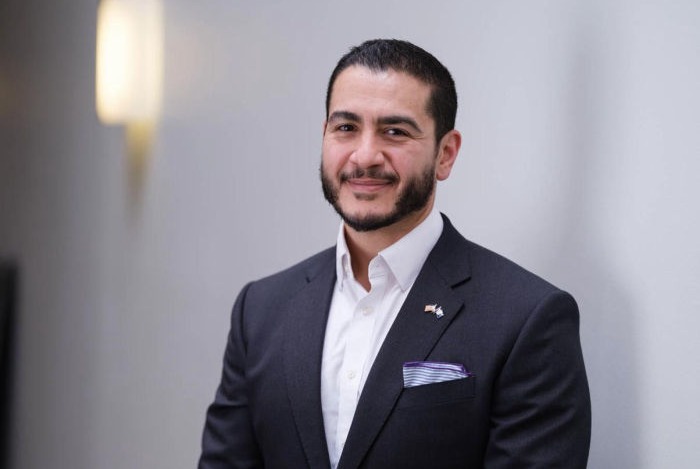
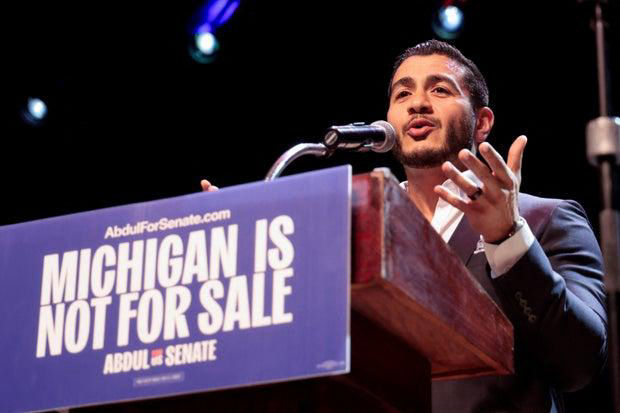
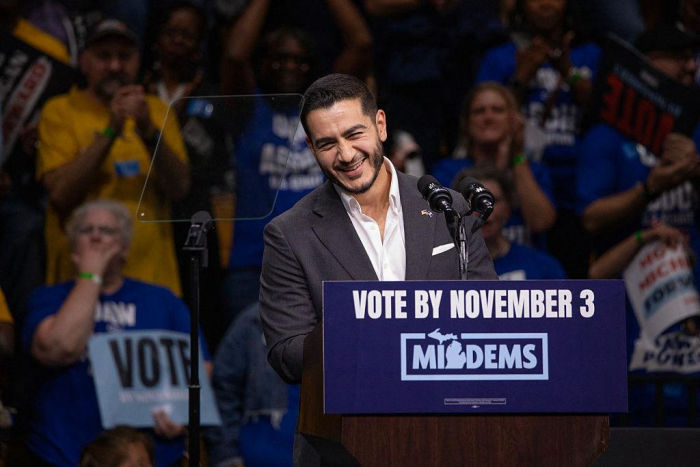
For the first time in the nation's history, an American Muslim has been elected to serve in the United States Senate.
Dr. Abdul El-Sayed, a 42-year-old physician and former public health official, defeated Republican Mike Rogers in Michigan's closely watched Senate race. The Democrat will succeed retiring Senator Gary Peters.
The son of Egyptian immigrants, El-Sayed represents a generation of Muslim Americans whose experiences encompass both immigrant heritage and American civic life. His campaign focused on healthcare, economic affordability, corporate influence in politics, and foreign policy.
His election was particularly significant because it followed a campaign in which his Muslim identity became a subject of political controversy. Opponents questioned his associations and positions, including unsupported allegations of extremist ties that El-Sayed denied. Supporters and civil rights advocates characterized some of these attacks as Islamophobic.
Despite these controversies, Michigan voters elected him to one of the country's highest political offices.
El-Sayed's victory carries historical significance beyond the state of Michigan. Twenty years after the election of America's first Muslim member of Congress, Muslim representation has reached the Senate for the first time.
New Muslim Voices Headed to the House of Representatives
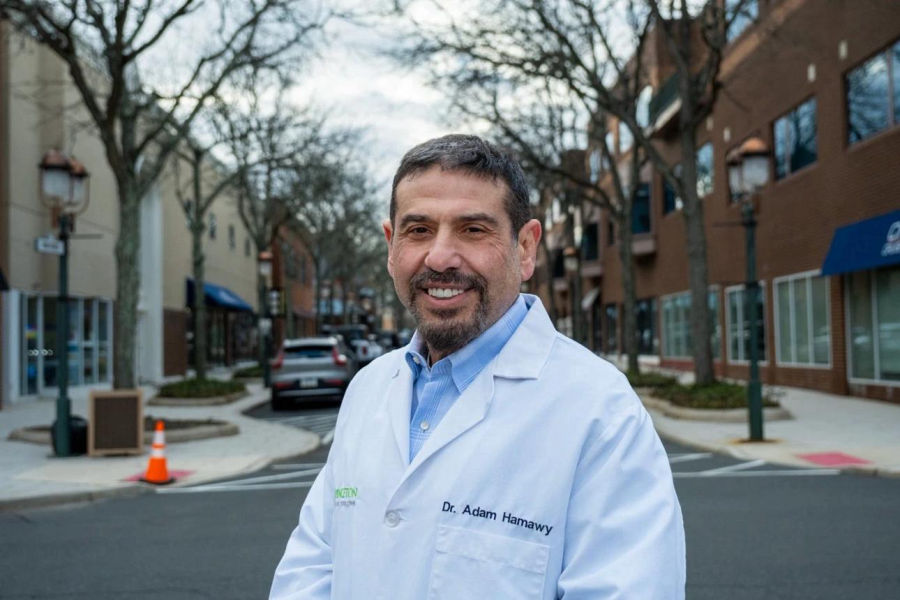
New Jersey — 12th Congressional District
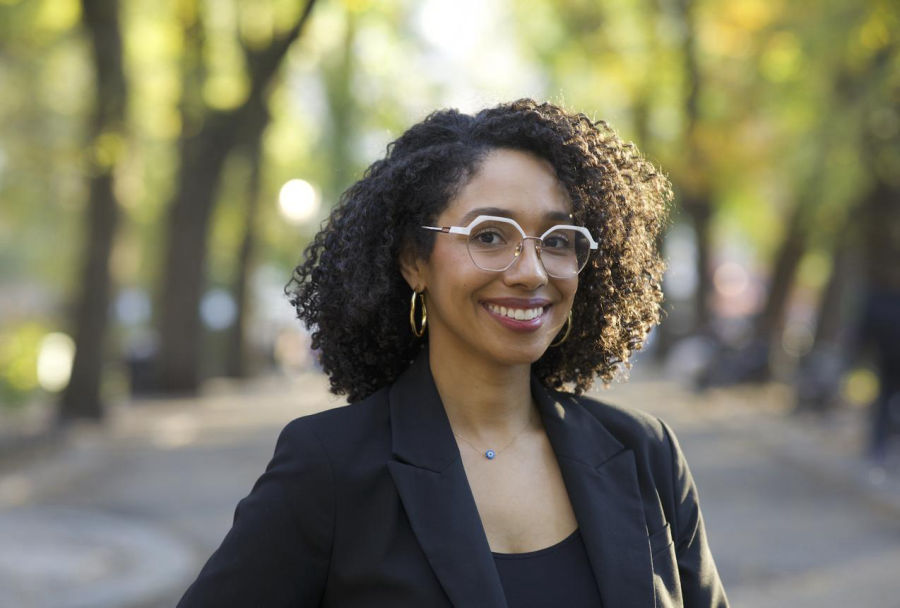
New York — 13th Congressional District
Adam Hamawy — New Jersey
Dr. Adam Hamawy, an Egyptian-American surgeon, retired U.S. Army physician, and Iraq War veteran, won election to New Jersey's 12th Congressional District, becoming the first Muslim elected to represent the state in Congress.
Hamawy attracted national attention for his medical humanitarian work in Gaza, where he volunteered to treat wounded civilians in 2024. His campaign emphasized healthcare reform, economic issues, immigration enforcement, and U.S. foreign policy.
His election illustrates the varied professional backgrounds from which Muslim Americans are entering national public service.
Darializa Avila Chevalier — New York
In New York's 13th Congressional District, Darializa Avila Chevalier, a civil rights investigator, community organizer, and convert to Islam, won election to the U.S. House of Representatives.
She first drew national attention by defeating longtime Congressman Adriano Espaillat in the Democratic primary. Her subsequent general election victory introduces another Muslim voice into Congress, with a political background grounded in civil rights, community advocacy, and Palestinian rights.
Muslim Incumbents Return to Congress
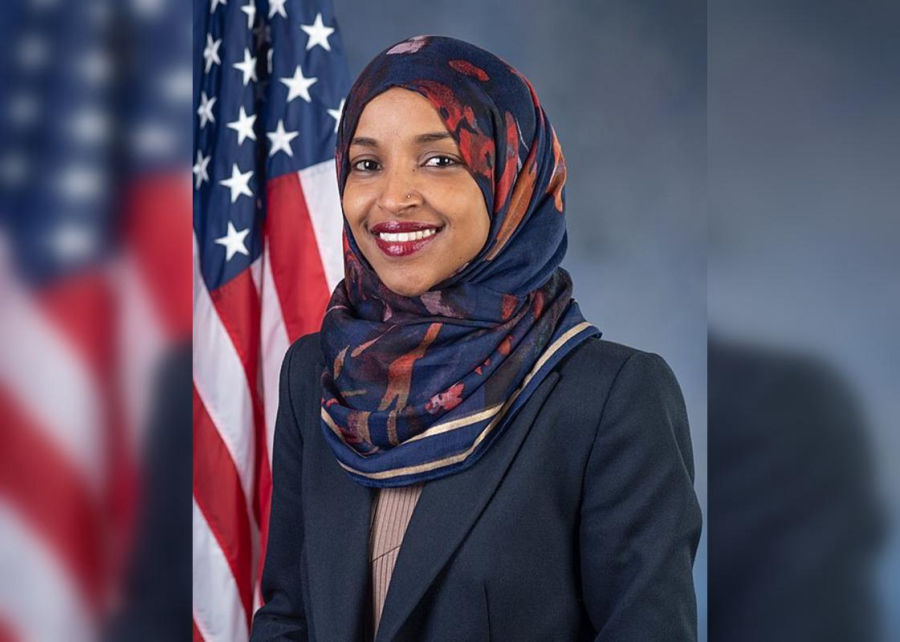
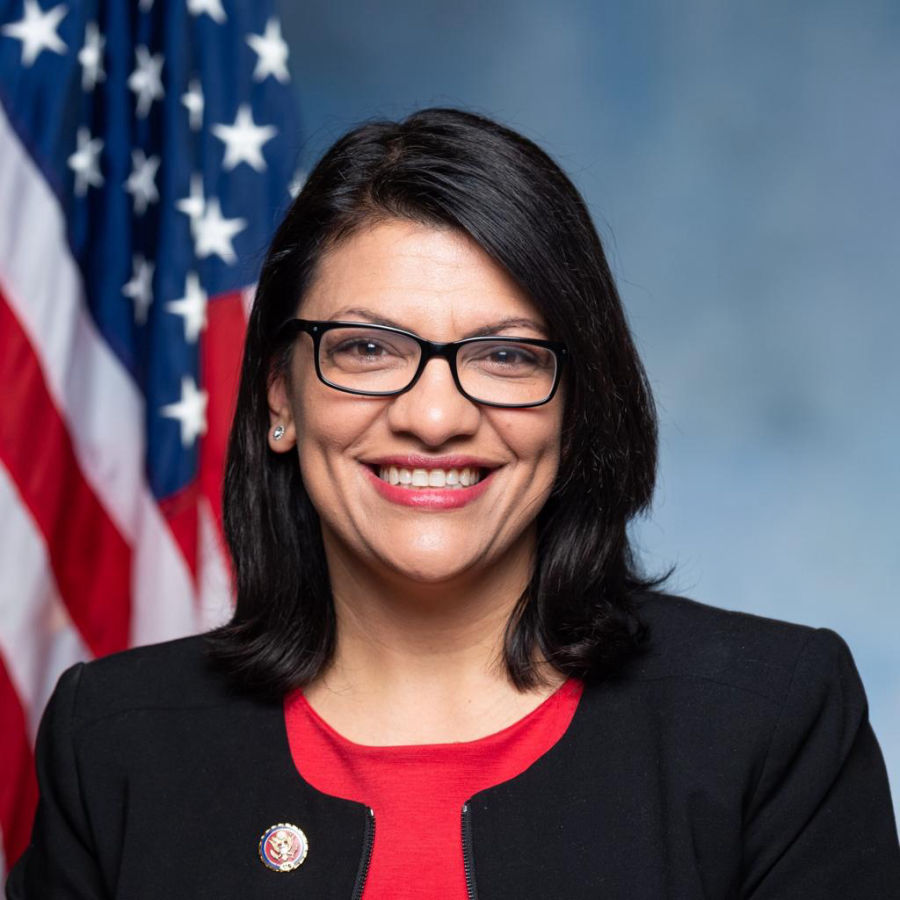
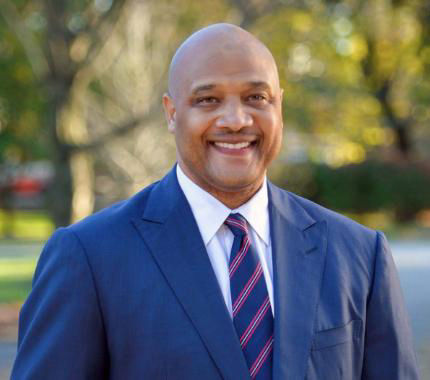
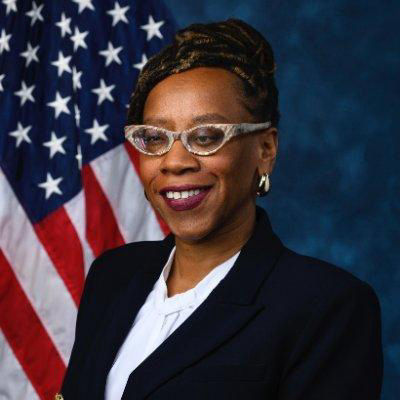
The election was also significant for Muslim members of Congress who successfully secured new terms in office.
Congresswoman Ilhan Omar of Minnesota, the first Somali-American elected to Congress and one of the first two Muslim women to serve in the House, won reelection. Her congressional career has addressed immigration, economic justice, healthcare, and foreign policy.
Congresswoman Rashida Tlaib of Michigan, the first Palestinian-American woman elected to Congress, also secured another term. Tlaib has become a nationally recognized participant in debates over Palestinian rights, domestic economic policy, and U.S. military assistance abroad.
Congressman André Carson of Indiana, first elected in 2008, retained his seat. Carson is now the longest-serving Muslim member of the House, having represented Indianapolis for nearly two decades.
California Congresswoman Lateefah Simon, whose background includes decades of civil rights and community advocacy in the San Francisco Bay Area, also won reelection.
Together, these lawmakers demonstrate that Muslim representation is no longer limited to newly elected officials. Muslim Americans have become established participants in congressional policymaking, leadership, committee work, and national political debate.
California's Aisha Wahab also merits recognition. In August 2026, she became the first Afghan-American and Muslim woman elected to Congress when she won a special election in California's 14th District. On November 4, Wahab was leading the race for a full congressional term, although counting was continuing at the time of this report.
While congressional elections attracted national attention, some of the most important developments occurred at the state level, where Muslim Americans are increasingly participating in decisions involving education, housing, healthcare, public safety, and civil rights.
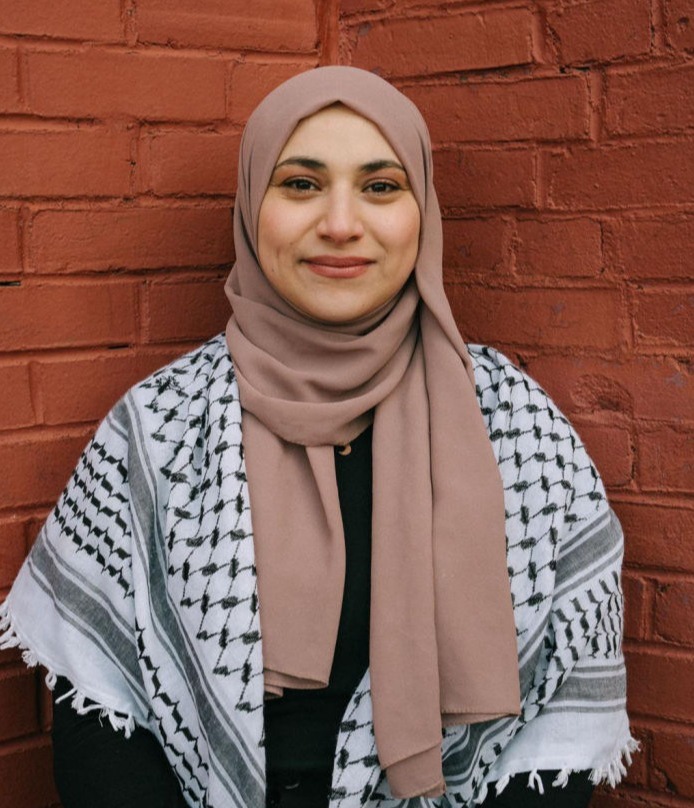
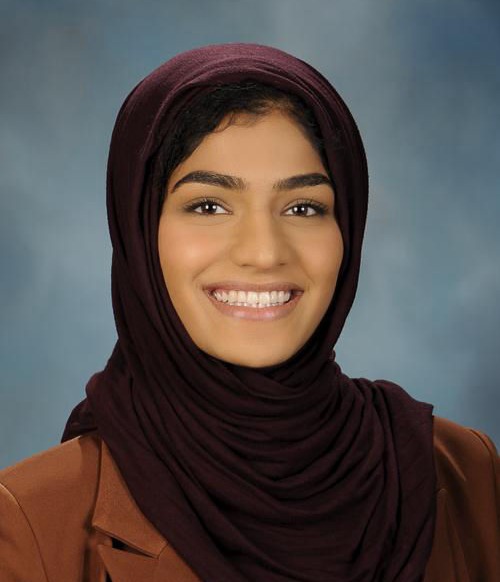
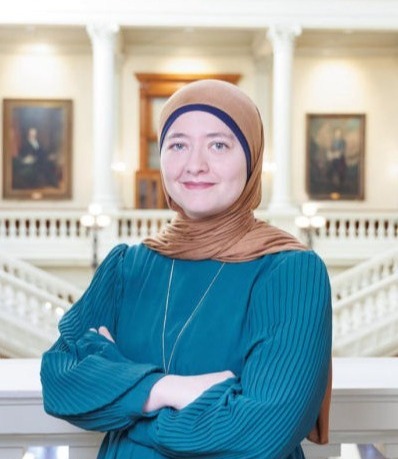
Aber Kawas — New York
Palestinian-American community organizer Aber Kawas won New York's 12th State Senate District, becoming the first Palestinian Muslim woman elected to the New York State Legislature.
Raised in New York City by Palestinian parents, Kawas built her political career through grassroots organizing. Her campaign emphasized affordable housing, immigrant rights, public transportation, and economic justice. Her victory represents another milestone for Muslim and Palestinian-American political participation in New York.
Nabeela Syed — Illinois
Indian-American Muslim legislator Nabeela Syed defeated Republican Darby Hills in Illinois' 26th State Senate District.
Syed first attracted national attention in 2022 when, at age 23, she became one of the youngest members elected to the Illinois General Assembly. Her 2026 victory moves her from the Illinois House to the State Senate and gives her a broader legislative role.
Ruwa Romman — Georgia
Ruwa Romman, a Palestinian-American Muslim legislator, was also among the candidates reported elected to state office, winning a Georgia State Senate race.
Romman previously made history in 2022 as the first Muslim woman elected to the Georgia House of Representatives and the first Palestinian American elected to public office in Georgia.
Her political career reflects the expanding participation of Muslim Americans in Southern politics, a region where their communities have long been active in business, education, professional life, and civic organizations.
Other reported winners included Iman Jodeh in Colorado, Munira Abdullahi and Ismail Mohamed in Ohio, Salman Bhojani and Suleman Lalani in Texas, Mujtaba Mohammed in North Carolina, and Yusuf Hakeem in Tennessee.
These officials represent communities with different regional backgrounds, ethnic histories, and political priorities, reinforcing an important point: Muslim Americans are not a single political constituency with identical views or interests.
Twenty Years of History: From Keith Ellison to the U.S. Senate
The 2026 election results are best understood within the larger history of Muslim political involvement in the United States.
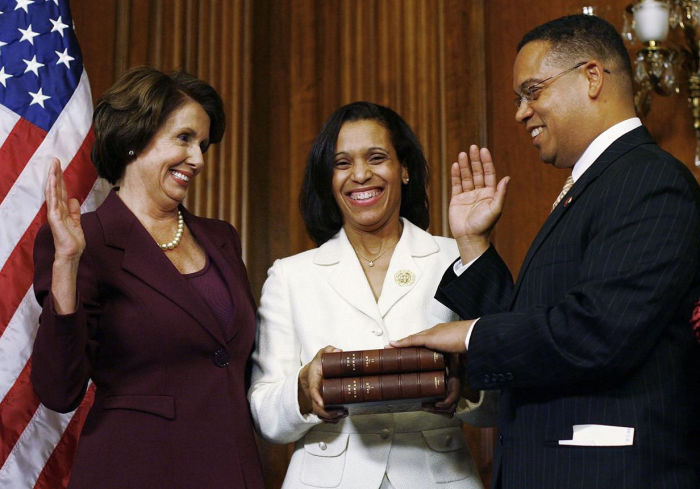
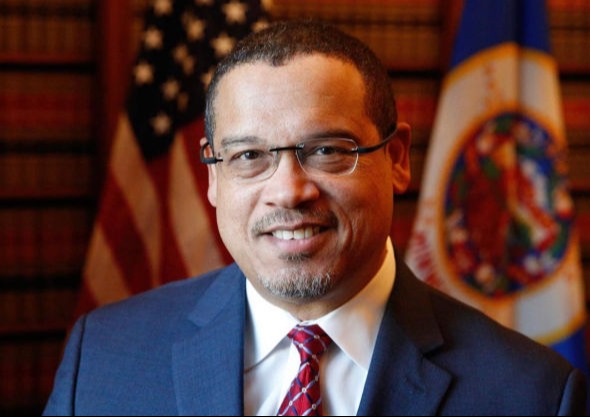
In November 2006, Keith Ellison of Minnesota became the first Muslim elected to the United States Congress.
Ellison, an African-American attorney who converted to Islam as a young adult, entered Congress during a period when American Muslims were confronting widespread suspicion and increased scrutiny following the terrorist attacks of September 11, 2001.
His election challenged longstanding perceptions about Muslims and American political life.
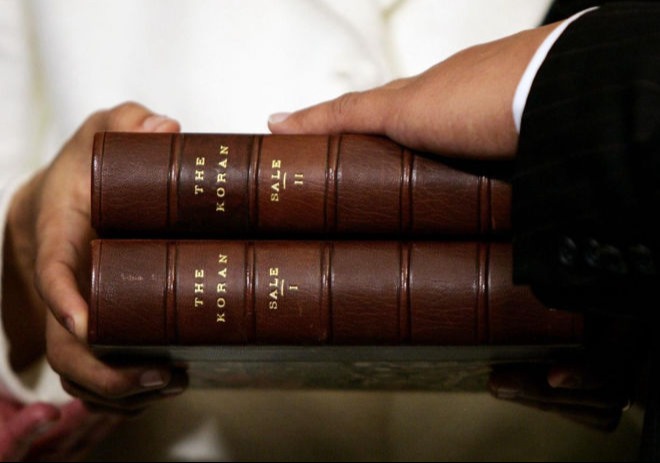
Ellison subsequently gained national attention when he used a historic Qur'an belonging to Thomas Jefferson during his ceremonial congressional oath. The moment served as a reminder that Islam had a place in American history long before the contemporary debates over Muslim identity and citizenship.
After serving six terms in Congress, Ellison was elected Minnesota's Attorney General in 2018, becoming the first Muslim elected to statewide executive office in the United States.
His political career established an important precedent: an openly Muslim American could win elections, serve in Congress for many years, and subsequently gain statewide political office.
Other milestones in Muslim political representation
The years that followed introduced several additional developments.
In 2008, André Carson of Indiana became the second Muslim elected to Congress.
In 2018, Rashida Tlaib and Ilhan Omar became the first Muslim women elected to Congress. Their election introduced broader religious, ethnic, and cultural diversity into the House of Representatives.
Tlaib, the daughter of Palestinian immigrants, and Omar, a Somali-American former refugee, brought different personal histories to national political office.
In 2024, Lateefah Simon of California was elected to Congress, adding another African-American Muslim woman to the ranks of federal lawmakers.
At the state and local levels, Muslim Americans also established a growing presence in public office, including mayors, legislators, judges, school board members, and municipal officials.
These developments created the political foundation upon which the 2026 election results now build.
Zohran Mamdani and the Expanding Muslim Presence in American Politics
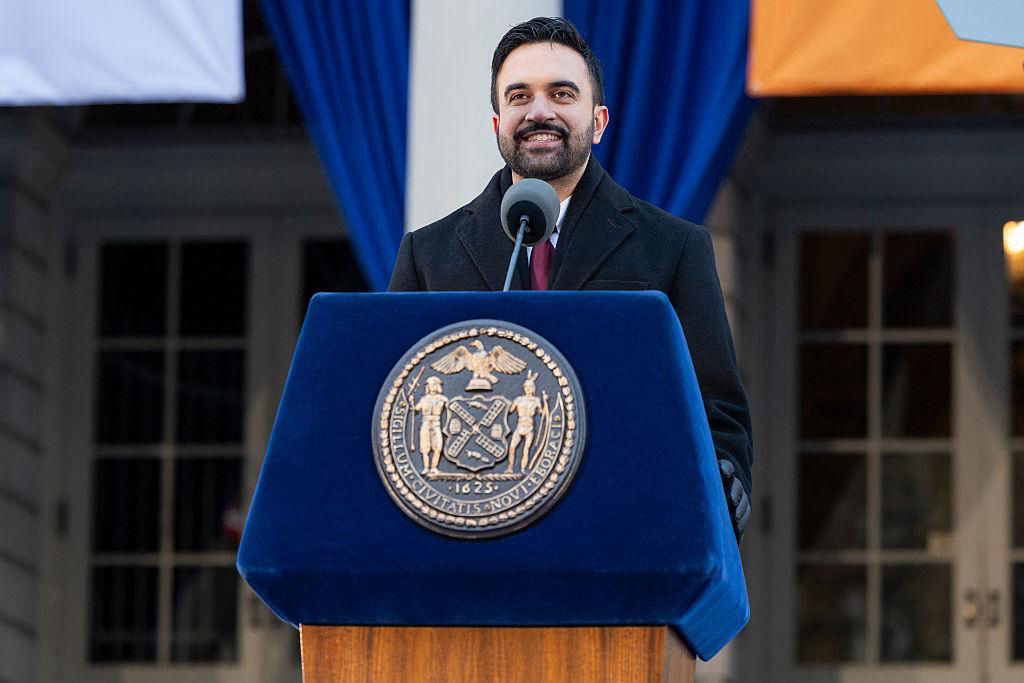
Another prominent example of the growing Muslim presence in American political life is Zohran Mamdani, the New York City mayor whose political rise attracted national attention.
Mamdani, a Ugandan-born American of Indian heritage, became a highly visible Muslim political figure through his campaigning on affordable housing, public transportation, and the cost of living.
His political emergence illustrates an important distinction between the earlier generation of Muslim candidates and those increasingly visible today.
Where previous candidates often encountered questions about whether Muslims belonged in public office, many contemporary Muslim officials also participate in wider arguments over economic inequality, government services, and national policy.
Their religion remains an important part of their identities, but their political roles extend across the full range of public concerns.
African-American Muslims and the Foundations of Political Participation
Any examination of Muslim Americans in politics must also acknowledge the historical contributions of African-American Muslim communities.
Long before Muslim candidates began winning congressional elections, African-American Muslims were actively involved in institution-building, education, economic development, community organization, and social reform.
Organizations and communities associated with the Nation of Islam, the leadership of the Honorable Elijah Muhammad, and later the Islamic movement guided by Imam W. Deen Mohammed helped establish institutions that encouraged civic responsibility and collective advancement.
Under Imam W. Deen Mohammed, communities transitioning toward mainstream Sunni Islam increasingly participated in interfaith cooperation, civic affairs, education, and broader American public life.
The history of institutions such as Masjid Bilal Islamic Center in Los Angeles, formerly Muhammad's Temple No. 27, is part of that larger story.
Although these earlier community efforts were not always electoral campaigns, they helped establish networks of leadership, public service, and civic engagement that remain important to understanding Muslim American participation today.
The career of Keith Ellison, an African-American Muslim who became a congressman and then a state attorney general, represents one connection between these historical experiences and contemporary electoral politics.
A Growing Political Presence — and Continuing Challenges
The 2026 elections also occurred amid heightened debates about immigration, religious discrimination, U.S. foreign policy, and America's relationships with Muslim-majority countries.
Several candidates faced criticism relating to their positions on Israel and Palestine, while others encountered attacks involving their religious identity.
These controversies highlighted the continuing challenges confronting Muslim candidates, even as their numbers in elected office increase.
At the same time, Muslim-American public officials have increasingly gained recognition for work involving healthcare, housing affordability, education, constituent services, civil rights, and economic development.
Their political views are diverse, and the community itself includes Democrats, Republicans, independents, progressives, conservatives, and citizens who do not identify with either major political party.
The significance of the 2026 election is therefore not simply that additional Muslims have gained public office. It is also that Muslim Americans are becoming an increasingly established part of the nation's broader political institutions.
Conclusion: A New Chapter in the American Muslim Experience
The election of November 3, 2026, represents another milestone in the continuing evolution of Muslim American civic life.
From Keith Ellison's historic congressional victory in 2006 to Abdul El-Sayed's election as the nation's first Muslim senator twenty years later, the journey reflects major changes in American political representation.
The successful campaigns of Adam Hamawy, Darializa Avila Chevalier, Aber Kawas, Nabeela Syed, and numerous other Muslim candidates demonstrate that Muslim Americans are seeking and winning positions of public responsibility at multiple levels of government.
Their elections also reflect the increasing diversity of America's Muslim population, including African Americans, immigrant families, converts to Islam, and Americans whose families have lived in the United States for generations.
Despite continuing challenges involving discrimination, political polarization, and public misconceptions, Muslim Americans are increasingly participating in the democratic institutions that shape the country's future.
The historical significance of the 2026 election extends beyond the individual candidates who won. It marks another stage in the integration of Muslim Americans into the mainstream of American political life — not merely as voters and community advocates, but as elected officials helping make decisions that affect the entire nation.
For Muslim News Magazine, this developing story is also an opportunity to reflect on the generations of American Muslims whose commitment to education, community leadership, civic engagement, and public service helped make this moment possible.
Editorial note: This article reflects election reports available November 4, 2026. Some races remain subject to additional counting, official canvassing, and certification. Descriptions of election victories reflect contemporary media calls where final certification is pending.

© Copyright 2026 Baitcal Media Group, Inc All Rights Reserved
MNM